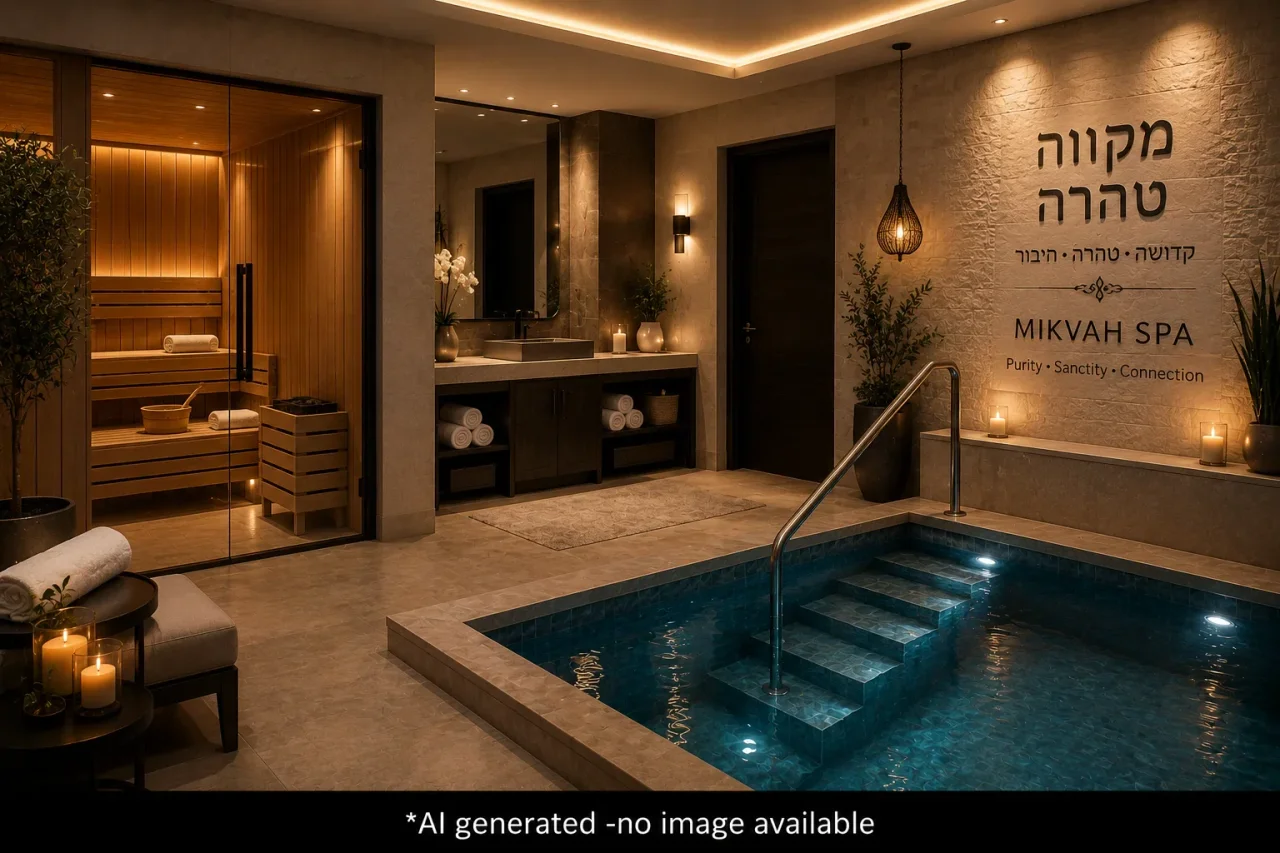
About this listing Mei Menachem serves as a vital center for ritual purity in Tashkent, Uzbekistan. This facility supports the religious needs of both the local Jewish community and international travelers. It is affiliated with the Jewish Education Center in Central Asia. The mikvah provides a modern and quiet space for women to perform the mitzvah of immersion according to halacha.
Maintaining a mikvah in Central Asia requires dedication and careful supervision. This site offers a reliable option for those observing family purity laws while visiting Uzbekistan. The facility is designed to meet strict halachic standards while ensuring comfort for every visitor. It stands as a symbol of the enduring Jewish presence within the city of Tashkent.
About the area The mikvah is located on Shokhzhakhon Street in the heart of Tashkent. It sits between Ikarakumski Street and B. Bobiev Street. This central location makes it accessible from various parts of the capital. Tashkent is home to one of the oldest Jewish communities in the region, primarily consisting of Bukharan Jews.
The Jewish Community Context
The neighborhood around the Jewish Education Center is part of a developing urban landscape. You will find a mix of traditional residential housing and modern administrative buildings. Nearby, the presence of local synagogues helps anchor the Jewish life of the city. Taxis are the most common way for visitors to reach the address safely and quickly.
Most Jewish communal life in Uzbekistan is focused in Tashkent and Samarkand. Being in the capital, Mei Menachem is often the primary stop for Jewish tourists entering the country. The streets are generally calm, and the community is known for its hospitality to guests from abroad.
Nearby Jewish landmarks Tashkent offers several points of interest for visitors seeking Jewish history and local culture within the capital city.
The Oybek Metro Station provides easy transit access to various parts of the city.
The Chorsu Bazaar is a historic marketplace where visitors can find fresh local produce and traditional crafts.
The Jewish Cemetery of Tashkent serves as a testament to the long history of the Bukharan Jewish community.
Independence Square features large fountains and green spaces suitable for a quiet walk.
The Museum of Applied Arts showcases the intricate craftsmanship of the Uzbekistan region.
What to expect Visitors can expect a clean and well-maintained environment dedicated to ritual immersion. The facility uses the Bor Al Gabai Bor system, which is common in many contemporary Chabad-style mikvaot. Privacy is a top priority for all participants. The building is managed with attention to detail and traditional Jewish law.
Facilities and Preparation
The immersion room is designed to be aesthetic and functional. You will find preparation rooms equipped for the necessary steps prior to immersion. While the facility is modern, it is always wise to confirm specific amenities in advance.
Private preparation rooms with standard plumbing.
A temperature-controlled immersion pool.
Traditional Bor Al Gabai Bor halachic construction.
Secure and discreet entrance for visitors.
Because Tashkent is a unique travel destination, it is important to contact the management early. They can provide the correct times for immersion based on the local calendar. Language support may vary, so having your address written in Russian or Uzbek can help with local transport to the site.
Frequently asked questions Where is the Mei Menachem mikvah located? The facility is situated at 30 Shokhzhakhon Street, located between Ikarakumski and B. Bobiev in Tashkent.
Do I need to make an appointment before visiting? Yes, appointments are generally necessary to ensure the facility is ready for use and to maintain privacy for all guests.
Who supervises the mikvah? It is affiliated with the Jewish Education Center in Central Asia and operates under local rabbinical guidance. Visitors should verify current kashrus status before use.
What type of immersion pool is available? The facility features a Bor Al Gabai Bor system, which is a traditional halachic design used for ritual immersion.
Are towels and supplies provided on-site? Travelers should bring their own personal toiletries and towels, though it is best to check specific local policies in advance.